Knowledge Mobilization Website

Cultural Identity and Relational Resilience in Canadian Indigenous Picture Books

This website shares the main ideas from my capstone research in plain language. The study explored how contemporary Indigenous picture books in Canada represent cultural identity, belonging, and resilience through both words and illustrations.

Explore the findings

About this study

This capstone study examined fifteen Indigenous children’s picture books published in Canada since 2000. Using qualitative document analysis and reflexive thematic analysis, the study explored how these books represent cultural identity and resilience through themes, narratives, characters, and illustrations.

Research focus

The project examined how Indigenous children’s picture books published in Canada since 2000 represent cultural identity and resilience in ways that are meaningful for young readers.

Study approach

The research used qualitative document analysis and reflexive thematic analysis to examine both written narratives and illustrations across a selected group of picture books.

Read more about the study

Main findings

Four key patterns appeared across the study. These ideas are introduced briefly here and explored in more detail on the findings page.

1

Identity is relational

Identity is often represented through family, Elders, community, and connection to land, rather than as something purely individual.

2

Resilience appears in everyday life

Resilience is often shown through love, care, memory, storytelling, and cultural continuity in everyday experiences.

3

Children have agency

Children are shown learning, participating, remembering, and carrying culture forward in active ways.

4

Illustrations matter

The visual elements of the books help communicate emotion, relationship, place, and cultural meaning alongside the written text.

Key idea: In these books, resilience is not mainly shown as individual strength. It is more often represented through relationships, culture, continuity, and connection to land.

View all findings

Why it matters

These findings highlight the importance of selecting culturally authentic picture books that reflect Indigenous worldviews. Such books can support children’s identity development, relationships, and understanding of culture in meaningful ways.

For educators and caregivers

The study highlights the value of choosing books that reflect relational identity, cultural continuity, and meaningful connections to family, community, and land.

For children’s learning

Picture books can support belonging and well-being when they communicate culture through both story and image in respectful, authentic, and engaging ways.

Read why it matters

Selected books

These books are examples from the study and show how the findings appeared across the dataset. More examples can be included on the selected books page.

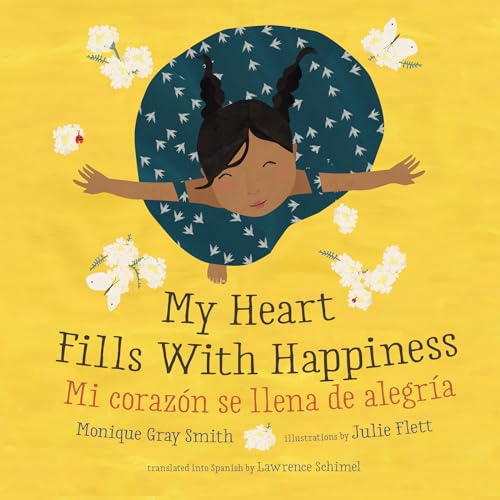
My Heart Fills with Happiness book cover Identity & belonging

My Heart Fills with Happiness

By Monique Gray Smith, illustrated by Julie Flett.

This book highlights joy, connection, and everyday experiences of belonging.

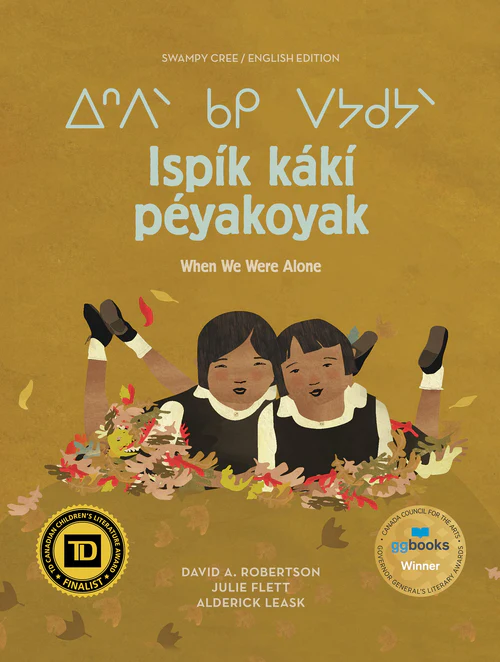
When We Were Alone book cover Resilience & memory

When We Were Alone

By David A. Robertson, illustrated by Julie Flett.

This story connects memory, intergenerational relationships, and resilience.

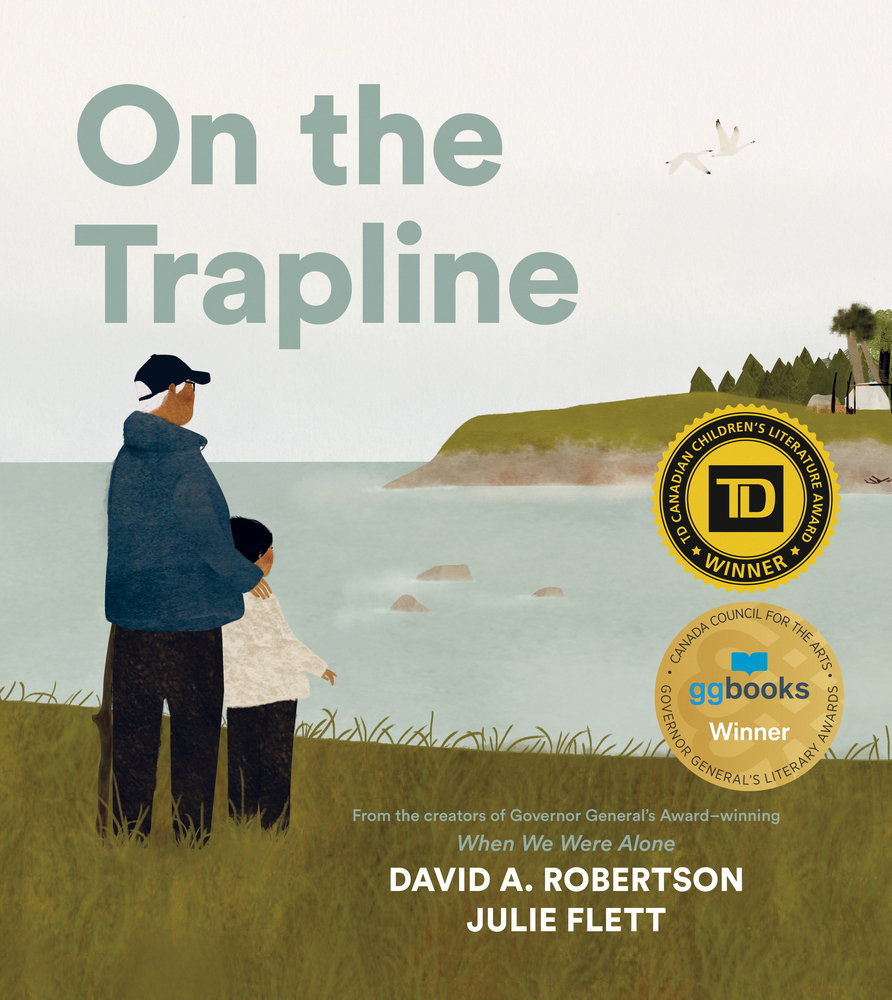
On the Trapline book cover Culture & continuity

On the Trapline

By David A. Robertson, illustrated by Julie Flett.

This book shows family relationships, memory, and participation in cultural continuity.